


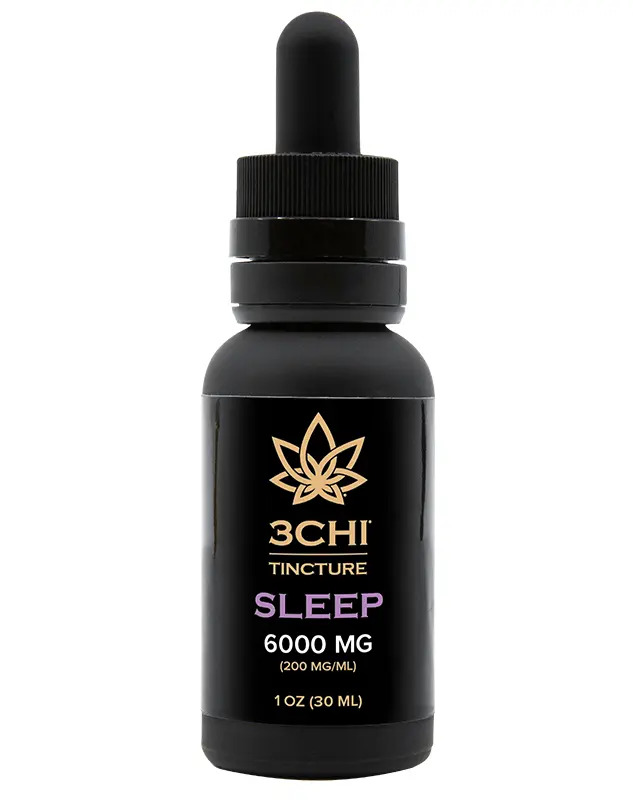
The Sleep Cbd Oil brings the Oil range to Heartwood Hemp. You can also search for the Lab Tested Sleep Cbd Oil and compare the Premium Sleep Cbd Oil on the same page. The Sleep Cbd Oil keeps its profile from the first draw to the last.
Every batch behind the Sleep Cbd Oil ties to a dated lab sheet. We seal each Sleep Cbd Oil before it leaves the building.
Why the Sleep Cbd Oil Suits a Daily Routine
The Sleep Cbd Oil measures by the dropper, so a small step is easy to make. Premium Sleep Cbd Oil suits anyone who likes to adjust gently.
Because the liquid spreads evenly, the Sleep Cbd Oil lands the same way each time. Lab Tested Sleep Cbd Oil keeps that consistency across a bottle.
A sealed bottle protects the blend from air, so the Sleep Cbd Oil stays fresh to the last measure. Sealed Sleep Cbd Oil behaves the same way.
Anyone who wants precise control tends to choose the Sleep Cbd Oil. Buy Sleep Cbd Oil sits beside it as a lighter daytime option.
The Sleep Cbd Oil prints its batch code and serving guide on the pack.
What Comes With the Sleep Cbd Oil?
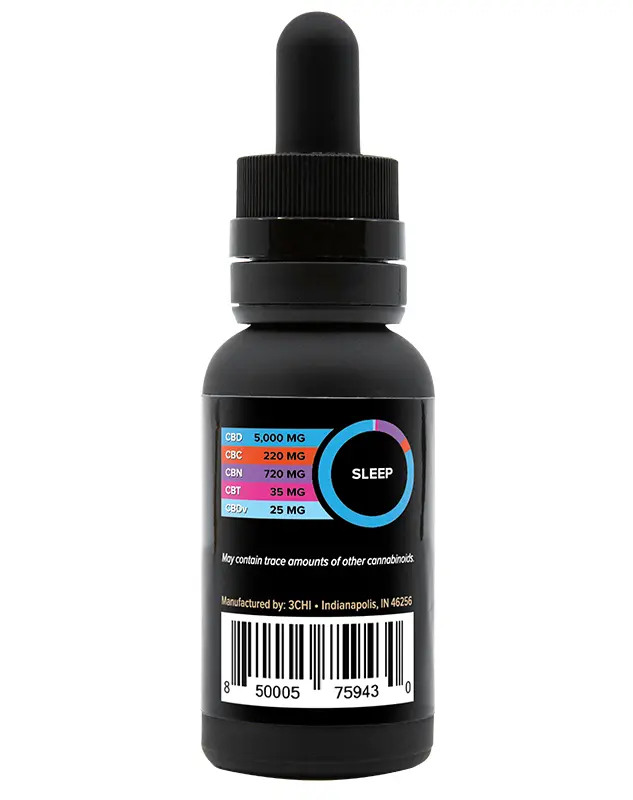
Every order ships the Sleep Cbd Oil in a sealed bottle with a marked dropper. The strength per millilitre is printed on the label.
The label also carries the batch code. Photograph it on arrival so a later question has something to point at.
Most buyers return for the Sleep Cbd Oil once they know the strength.
How Do You Measure the Sleep Cbd Oil?
Fill the dropper to the marked line and hold the liquid under the tongue for a minute before swallowing. That speeds the onset.
Shake the bottle gently first, since a natural blend can settle. Then note the amount and the time in a small log.
A sealed Sleep Cbd Oil also holds its flavour between orders.
Buying the Premium Sleep Cbd Oil
The Premium Sleep Cbd Oil arrives as a sealed retail unit. A Premium Sleep Cbd Oil often suits a first order. Most shoppers compare the Premium Sleep Cbd Oil before they commit.
You can pair the Premium Sleep Cbd Oil with a second profile. Buyers treat the Premium Sleep Cbd Oil as a safe reorder. Repeat customers keep the Premium Sleep Cbd Oil on a monthly list.
Buying the Lab Tested Sleep Cbd Oil
The Lab Tested Sleep Cbd Oil arrives as a sealed retail unit. A Lab Tested Sleep Cbd Oil often suits a first order. Most shoppers compare the Lab Tested Sleep Cbd Oil before they commit.
You can pair the Lab Tested Sleep Cbd Oil with a second profile. Buyers treat the Lab Tested Sleep Cbd Oil as a safe reorder. Repeat customers keep the Lab Tested Sleep Cbd Oil on a monthly list.
Buying the Sealed Sleep Cbd Oil
The Sealed Sleep Cbd Oil arrives as a sealed retail unit. A Sealed Sleep Cbd Oil often suits a first order. Most shoppers compare the Sealed Sleep Cbd Oil before they commit.
You can pair the Sealed Sleep Cbd Oil with a second profile. Buyers treat the Sealed Sleep Cbd Oil as a safe reorder. Repeat customers keep the Sealed Sleep Cbd Oil on a monthly list.
Buying the Buy Sleep Cbd Oil
The Buy Sleep Cbd Oil arrives as a sealed retail unit. A Buy Sleep Cbd Oil often suits a first order. Most shoppers compare the Buy Sleep Cbd Oil before they commit.
You can pair the Buy Sleep Cbd Oil with a second profile. Buyers treat the Buy Sleep Cbd Oil as a safe reorder. Repeat customers keep the Buy Sleep Cbd Oil on a monthly list.
Simple Buying Notes
Here is a quick way to shop. Look at the label first. Next, check the size. After that, note the strength. Then store it right. A cool, dark shelf is best.
While you are here, read the batch code. It points to a lab report. Also, save the code. That makes it easy to check later. If a number looks wrong, reach out. We will look into it.
Each pack lists its own numbers. Compare them at your pace. Then choose the one you like. Simple as that.
Table of Contents
Shelf Life and Freshness
Freshness shows up in small ways. Aroma fades, texture firms up, and colour may shift a shade. None of those changes are automatically a problem, but they do signal that the product is moving through its life. Buy only what you will use within a reasonable window, and rotate older stock to the front.
Check the date on arrival rather than assuming it is new. If a pack arrives well past a sensible window, say so and ask for a swap. Reputable sellers expect that question and answer it without fuss. Storing the freshest units behind the older ones gives you a simple first-in, first-out shelf at home.
Why Heat and Light Matter
Warmth speeds up the chemical changes that dull a product over time, and ultraviolet light does its own quiet damage. Together they explain why a glovebox in summer is a poor storage choice. A closed glovebox in winter is not much better, since temperature swings are the real enemy.
The fix is unglamorous. Keep the pack out of the sun, away from radiators and clear of the car. If you carry a product daily, use a small opaque case rather than a clear bag. It costs very little and it protects the thing you already paid for.
Why Independent Testing Matters
Independent testing means a laboratory that has no stake in the result checks the batch. That distance is the point. A report shows what the sample contained, at what concentration, and whether anything unwanted appeared above the reporting threshold. Without it, you are trusting a marketing claim.
Ask to see a current report for the batch you are buying, not a generic sample from a year ago. The paperwork should name the product, carry a date and identify the laboratory. If a seller cannot produce that, the price stops being the important number. Verification is the value you are actually purchasing.
How to Read a Certificate of Analysis
A certificate of analysis looks technical, but only a few lines matter to a shopper. Find the product name, the batch code and the test date first, then confirm they match the pack in your hand. After that, read the measured concentration and scan the rest for anything flagged as detected.
The results table usually lists each compound with a value and a pass or fail mark against a limit. You do not need to understand every method behind it. You do need to confirm the document belongs to your batch. A report for a different lot proves nothing about the unit you actually ordered.
What the Batch Code Tells You
A batch code is a production fingerprint. It identifies the day, the run and often the facility behind a specific set of units. When something needs checking, that code is what a laboratory or a support team asks for first. Without it, a complaint has nowhere to go.
Keep the code somewhere you can reach it later. Photographing the base of the pack takes seconds and saves a lot of searching. If you review products in writing, quote the code in the review. It makes your account verifiable and it helps other buyers match the experience you described to the exact run.
Full Spectrum and Isolate Compared
The two ends of the range differ in how much of the original plant material survives processing. Isolate is refined down to a single compound, so it is consistent and neutral. Full spectrum keeps a wider set of naturally occurring compounds, which many people find gives a rounder, more layered result.
Neither is better on its own terms. Isolate suits anyone who wants predictability and a clean slate. Full spectrum suits anyone who prefers complexity and does not mind a little variation between batches. The right pick depends on what you want from the product, and that answer is personal rather than technical.
Where Broad Spectrum Fits
Broad spectrum sits between the two extremes. It keeps much of the natural range while removing the compounds many buyers want to avoid. That middle ground appeals to people who want more depth than an isolate but a narrower profile than a full-spectrum extract.
Because the category is a middle path, quality varies more here than at either end. The label should say exactly which compounds were reduced and be able to show a report confirming it. A vague claim of broad spectrum means very little. A dated report with numbers means a great deal.
Distillate in Plain Terms
Distillate is a smooth extract that has been stripped back to a narrow set of compounds. That clean base is easy to work with, easy to flavour and easy to dose in even steps. It is also why so many made products start from it.
The trade-off is character. Refining removes much of the natural aroma and variation along with the unwanted material. Some brands add flavour back, which can be excellent. Others leave it neutral. If you enjoy tasting the difference between batches, this may not be the format for you.
Live Resin and the Role of Terpenes
Live resin is made from plant material that was frozen soon after harvest. Cold preserves the aromatic compounds that would otherwise fade, so the finished extract carries a fuller, more vivid smell and taste. That freshness is the whole reason the method exists.
The result is usually more complex and less uniform than a refined extract. Two batches may differ slightly, and that variation is often the appeal. If you value a single repeatable note, a refined product is easier to predict. If you enjoy nuance, the less-processed route rewards attention.
How Aroma Shapes the Experience
Aroma is not decoration. It is the first signal your senses receive, and it sets expectations before anything else happens. Two products with identical strength can feel completely different simply because one smells bright and citrus-forward while the other reads earthy and deep.
That is why flavour notes are worth reading carefully. They describe what the maker intended, and they help you choose between items that look the same on paper. Keep a note of which aromas you enjoy. Over time, that shortlist narrows a large catalogue down to a handful of dependable picks.
Reading Flavour Notes Like a Buyer
Flavour descriptions borrow language from food and wine for a reason. Words such as creamy, tart, herbal or spiced describe a family of tastes rather than an exact recipe. Treat them as a direction, not a guarantee, and you will set sensible expectations.
When two descriptions sound similar, look at the second and third note. The headline is usually a hook, while the supporting notes carry the detail. A product described as berry and cream will taste quite different from one listed as berry and mint. Read the full line before you decide.
Texture, Sweetness and Mouthfeel
Texture matters more than most buyers expect. A soft chew, a crisp bite and a smooth liquid all deliver the same compound in noticeably different ways. Texture also affects how quickly a serving is consumed, which in turn affects how the experience unfolds.
Sweetness deserves a second look too. Some products lean on sugar, others on alternative sweeteners, and some stay almost neutral. If you watch your sugar intake, read the ingredients before the flavour name. A pleasant description can easily hide a formula that does not suit your diet.
Ingredients Worth Scanning For
Run your eye down the ingredient list before you commit. Look first for anything you already avoid, then for fillers that add bulk without adding value. A short, readable list is usually a good sign, though length alone is not proof of quality.
Allergens are the other thing to check. Nuts, dairy, soy and gluten appear in unexpected places, especially in edible formats. If a product does not state its allergen position clearly, ask before ordering. It is a quick question and a sensible one, and a good seller answers it directly.
Understanding Serving Size
The serving size printed on a pack is a starting reference, not a target. It reflects what the maker considers a sensible portion, based on typical responses rather than your own. Treat it as the first data point in a personal experiment rather than the final word.
Servings per container matter just as much. A pack that looks affordable can hold very few portions, which changes the real cost. Divide the price by the number of servings before you compare two products. That single calculation often reorders a shortlist completely.
Measuring a Serving Accurately
Consistency comes from measuring the same way every time. A dropper filled to the marked line, a chewable cut evenly, or a level scoop all beat an eyeballed guess. When the measure changes, so does the experience, and you lose the ability to compare one evening with the next.
Keep the tool with the product so the two travel together. A marked dropper left in a drawer is easy to replace with a tablespoon, and a tablespoon is a very different amount. Small habits like this are what turn a pleasant first attempt into a routine you can actually repeat.
Where to Verify and Learn More
Independent references make it easy to check a batch before you commit. The NIDA research overview explains how the compounds in this category are studied and measured, and it is a useful starting point if the numbers on a label are new to you.
A search of the PubMed literature database goes a step further, since it lists peer-reviewed studies rather than summaries. Pairing that background with the batch code on your own pack puts the printed figures in context, and it takes only a few minutes.
Related Picks and Resources
- Browse the full range
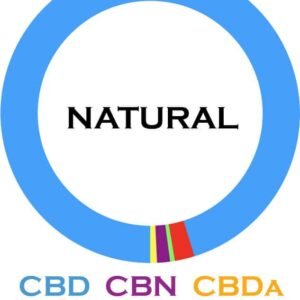
- Natural CBD Oil
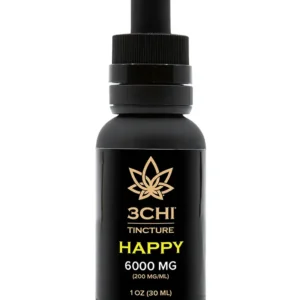
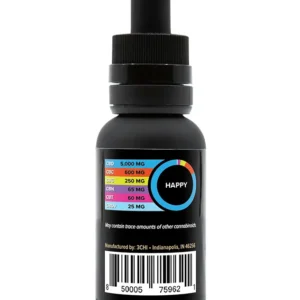
- Delta 8 Focused Blends – Happy Oil Tincture
- CBG:CBD Oil
- Visit the shop
- Read the COA library
- Explore the learn hub
- Contact our team
- Shipping and returns
- Shop all products
Frequently Asked Questions
Is the Sleep Cbd Oil lab tested?
Yes. Every batch ties to an independent report, and the code on the wrapper points to it. You can read the numbers before you order.
How should I store it?
Keep it cool, dark and dry. The original wrapper carries the dates and the serving guide. A cupboard works better than a car.
How fast does it ship?
Orders leave within one business day. Standard delivery takes two to five business days, and tracking follows the parcel.
Be the first to review “Sleep CBD Oil”
Related products
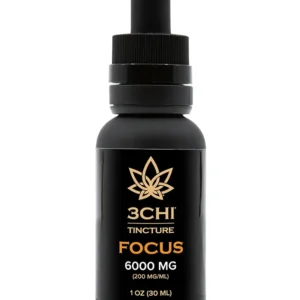
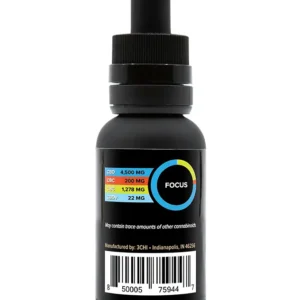
Non-Intoxicating

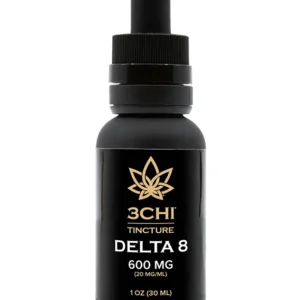
Medium Potency
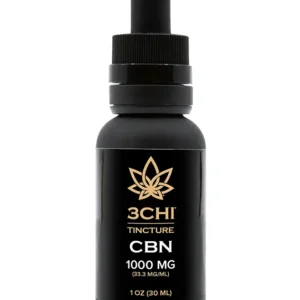
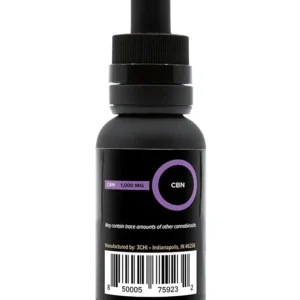
Low Potency
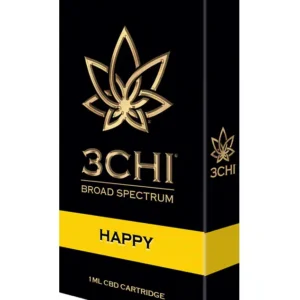
Non-Intoxicating
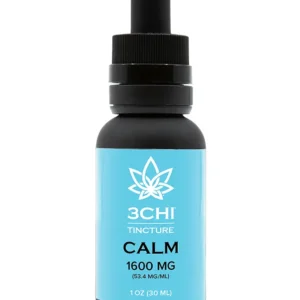

Medium Potency

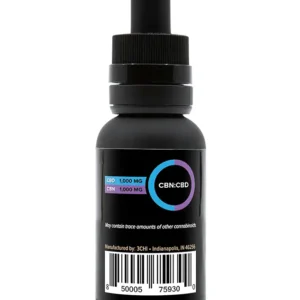
Low Potency

Non-Intoxicating
Non-Intoxicating
Reviews
There are no reviews yet.