
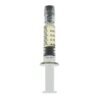

The Cbc Isolate brings the Isolate range to Heartwood Hemp. You can also search for the Lab Tested Cbc Isolate and compare the Premium Cbc Isolate on the same page. The Cbc Isolate keeps its profile from the first draw to the last.
Every batch behind the Cbc Isolate ties to a dated lab sheet. We seal each Cbc Isolate before it leaves the building.
Why the Cbc Isolate Suits a Daily Routine
The Cbc Isolate gives you the base blend without paying for hardware. Premium Cbc Isolate suits anyone who already owns the rest.
Because the material is uniform, the Cbc Isolate measures the same way each time. Lab Tested Cbc Isolate keeps that repeatability.
A sealed container keeps air away, so the Cbc Isolate holds its character between uses. Sealed Cbc Isolate behaves the same way.
Anyone who mixes their own servings tends to choose the Cbc Isolate. Buy Cbc Isolate sits beside it as a lighter alternative.
The Cbc Isolate prints its batch code and serving guide on the pack.
What Comes With the Cbc Isolate?
Every order ships the Cbc Isolate in a sealed container sized for the quantity stated on the label. Tools are not included.
The label carries the batch code and the measured concentration. Both matter, because a concentrate is judged by its numbers.
Most buyers return for the Cbc Isolate once they know the strength.
How Do You Handle the Cbc Isolate?
Work with a clean tool and a steady surface, and keep the container closed between measures. Air is the main thing to keep away.
Store the Cbc Isolate upright in a cool cupboard. A little care here keeps the material workable for months.
A sealed Cbc Isolate also holds its flavour between orders.
Buying the Premium Cbc Isolate
The Premium Cbc Isolate arrives as a sealed retail unit. A Premium Cbc Isolate often suits a first order. Most shoppers compare the Premium Cbc Isolate before they commit.
You can pair the Premium Cbc Isolate with a second profile. Buyers treat the Premium Cbc Isolate as a safe reorder. Repeat customers keep the Premium Cbc Isolate on a monthly list.
Buying the Lab Tested Cbc Isolate
The Lab Tested Cbc Isolate arrives as a sealed retail unit. A Lab Tested Cbc Isolate often suits a first order. Most shoppers compare the Lab Tested Cbc Isolate before they commit.
You can pair the Lab Tested Cbc Isolate with a second profile. Buyers treat the Lab Tested Cbc Isolate as a safe reorder. Repeat customers keep the Lab Tested Cbc Isolate on a monthly list.
Buying the Sealed Cbc Isolate
The Sealed Cbc Isolate arrives as a sealed retail unit. A Sealed Cbc Isolate often suits a first order. Most shoppers compare the Sealed Cbc Isolate before they commit.
You can pair the Sealed Cbc Isolate with a second profile. Buyers treat the Sealed Cbc Isolate as a safe reorder. Repeat customers keep the Sealed Cbc Isolate on a monthly list.
Buying the Buy Cbc Isolate
The Buy Cbc Isolate arrives as a sealed retail unit. A Buy Cbc Isolate often suits a first order. Most shoppers compare the Buy Cbc Isolate before they commit.
You can pair the Buy Cbc Isolate with a second profile. Buyers treat the Buy Cbc Isolate as a safe reorder. Repeat customers keep the Buy Cbc Isolate on a monthly list.
Simple Buying Notes
This item is easy to buy. First, read the label. Then pick a size. Next, check the strength. After that, keep it sealed. Store it in a cool, dark place.
Also, note the batch code. That code links to a lab page. So you can check the numbers. When they match, you are set. If not, ask us. We reply fast.
Pack sizes fit different needs. A small one suits a trial. A large one lasts longer. Choose what works for you.
Table of Contents
Where Broad Spectrum Fits
Broad spectrum sits between the two extremes. It keeps much of the natural range while removing the compounds many buyers want to avoid. That middle ground appeals to people who want more depth than an isolate but a narrower profile than a full-spectrum extract.
Because the category is a middle path, quality varies more here than at either end. The label should say exactly which compounds were reduced and be able to show a report confirming it. A vague claim of broad spectrum means very little. A dated report with numbers means a great deal.
Distillate in Plain Terms
Distillate is a smooth extract that has been stripped back to a narrow set of compounds. That clean base is easy to work with, easy to flavour and easy to dose in even steps. It is also why so many made products start from it.
The trade-off is character. Refining removes much of the natural aroma and variation along with the unwanted material. Some brands add flavour back, which can be excellent. Others leave it neutral. If you enjoy tasting the difference between batches, this may not be the format for you.
Live Resin and the Role of Terpenes
Live resin is made from plant material that was frozen soon after harvest. Cold preserves the aromatic compounds that would otherwise fade, so the finished extract carries a fuller, more vivid smell and taste. That freshness is the whole reason the method exists.
The result is usually more complex and less uniform than a refined extract. Two batches may differ slightly, and that variation is often the appeal. If you value a single repeatable note, a refined product is easier to predict. If you enjoy nuance, the less-processed route rewards attention.
How Aroma Shapes the Experience
Aroma is not decoration. It is the first signal your senses receive, and it sets expectations before anything else happens. Two products with identical strength can feel completely different simply because one smells bright and citrus-forward while the other reads earthy and deep.
That is why flavour notes are worth reading carefully. They describe what the maker intended, and they help you choose between items that look the same on paper. Keep a note of which aromas you enjoy. Over time, that shortlist narrows a large catalogue down to a handful of dependable picks.
Reading Flavour Notes Like a Buyer
Flavour descriptions borrow language from food and wine for a reason. Words such as creamy, tart, herbal or spiced describe a family of tastes rather than an exact recipe. Treat them as a direction, not a guarantee, and you will set sensible expectations.
When two descriptions sound similar, look at the second and third note. The headline is usually a hook, while the supporting notes carry the detail. A product described as berry and cream will taste quite different from one listed as berry and mint. Read the full line before you decide.
Texture, Sweetness and Mouthfeel
Texture matters more than most buyers expect. A soft chew, a crisp bite and a smooth liquid all deliver the same compound in noticeably different ways. Texture also affects how quickly a serving is consumed, which in turn affects how the experience unfolds.
Sweetness deserves a second look too. Some products lean on sugar, others on alternative sweeteners, and some stay almost neutral. If you watch your sugar intake, read the ingredients before the flavour name. A pleasant description can easily hide a formula that does not suit your diet.
Ingredients Worth Scanning For
Run your eye down the ingredient list before you commit. Look first for anything you already avoid, then for fillers that add bulk without adding value. A short, readable list is usually a good sign, though length alone is not proof of quality.
Allergens are the other thing to check. Nuts, dairy, soy and gluten appear in unexpected places, especially in edible formats. If a product does not state its allergen position clearly, ask before ordering. It is a quick question and a sensible one, and a good seller answers it directly.
Understanding Serving Size
The serving size printed on a pack is a starting reference, not a target. It reflects what the maker considers a sensible portion, based on typical responses rather than your own. Treat it as the first data point in a personal experiment rather than the final word.
Servings per container matter just as much. A pack that looks affordable can hold very few portions, which changes the real cost. Divide the price by the number of servings before you compare two products. That single calculation often reorders a shortlist completely.
Measuring a Serving Accurately
Consistency comes from measuring the same way every time. A dropper filled to the marked line, a chewable cut evenly, or a level scoop all beat an eyeballed guess. When the measure changes, so does the experience, and you lose the ability to compare one evening with the next.
Keep the tool with the product so the two travel together. A marked dropper left in a drawer is easy to replace with a tablespoon, and a tablespoon is a very different amount. Small habits like this are what turn a pleasant first attempt into a routine you can actually repeat.
Mixing and Serving Methods
Some formats blend easily into food or drink, while others work best alone. A liquid can stir into coffee, tea or a smoothie. A powder dissolves fast in cold water. A chewable is simplest straight from the pack. Match the method to the format rather than forcing a fit.
If you do mix, keep the serving size the same as it would be alone. It is easy to pour generously into a large drink and lose track of how much went in. Measure first, then combine. That way a pleasant drink and a well-judged serving arrive together instead of one undermining the other.
Simple Pairings and Routines
Pairing a product with an existing habit makes it easier to remember and easier to judge. A morning coffee, an evening walk or a weekend film all provide a natural anchor. When the anchor stays the same, differences between products become much easier to notice.
Try not to change several things at once. If a new flavour, a new strength and a new time of day all arrive together, you cannot tell which one mattered. Change a single variable, hold the rest steady, and give it a few sessions. That is slower, but it actually answers the question you are asking.
Daytime and Evening Use
The same product can suit a bright afternoon and a quiet night in very different ways. Time of day changes what you want from a session, and it changes how you notice the effect. What felt lively at noon may feel restless at midnight, even though the dose never changed.
Think about the shape of your day before you choose a format. If you need to stay sharp, a lighter, quicker option usually fits better. If you are winding down, a slower format with a longer runway makes more sense. Match the timeline to the occasion and the choice becomes obvious.
Building a Routine That Lasts
A routine works when it is simple enough to keep. Pick a regular time, a regular amount and a regular place. Repetition removes the small decisions that cause drift, and it makes any change you do make stand out clearly against a steady background.
Review the routine once a month rather than every day. Daily tinkering makes patterns impossible to see. A monthly look, with a few written notes, tells you whether the current setup still fits. If it does, leave it alone. If it does not, adjust one thing and let it settle.
Building a Sensible Reorder Habit
Reordering before you run out beats ordering in a hurry. Note how long a pack lasts at your usual pace, then add a small buffer for slower deliveries. That buffer saves you from paying for rush shipping or accepting a substitute you did not want.
Keep a short list of what worked and what did not. A two-line note is enough. When the next order comes around, the list turns a browse into a quick decision. It also stops you repeating a purchase that disappointed you simply because the packaging looked familiar.
How Shipping Timelines Work
Most orders move through two phases. Processing covers picking, packing and handover, and it happens before anything leaves the building. Transit begins at that handover. Quoted times usually describe one phase or the other, so read carefully to see which one you are being promised.
Weekends and public holidays stretch both phases. Ordering late on a Friday often means the clock starts on Monday. If a delivery is time sensitive, order early in the week and allow a day of slack. A little planning removes almost all of the frustration people associate with online ordering.
Discreet Packaging and Privacy
Discreet shipping means the outside of the parcel reveals nothing about the contents. No product names, no suggestive branding, just a plain box or envelope with a shipping label. That standard protects your privacy at the doorstep and with anyone who handles the parcel along the way.
The return address and the billing descriptor matter just as much, since both appear on paperwork you may not control. Check what a seller states about packaging before you order, and ask if it is unclear. A confident, specific answer is a good sign. A vague one is worth noting.
Where to Verify and Learn More
Independent references make it easy to check a batch before you commit. The NIDA research overview explains how the compounds in this category are studied and measured, and it is a useful starting point if the numbers on a label are new to you.
A search of the PubMed literature database goes a step further, since it lists peer-reviewed studies rather than summaries. Pairing that background with the batch code on your own pack puts the printed figures in context, and it takes only a few minutes.
Related Picks and Resources
- Browse the full range
- Cannabis Derived Terpenes – Refined Live Resin
- Exclusive Terpene Blends
- CBT Isolate
- Visit the shop
- Read the COA library
- Explore the learn hub
- Contact our team
- Shipping and returns
- Shop all products
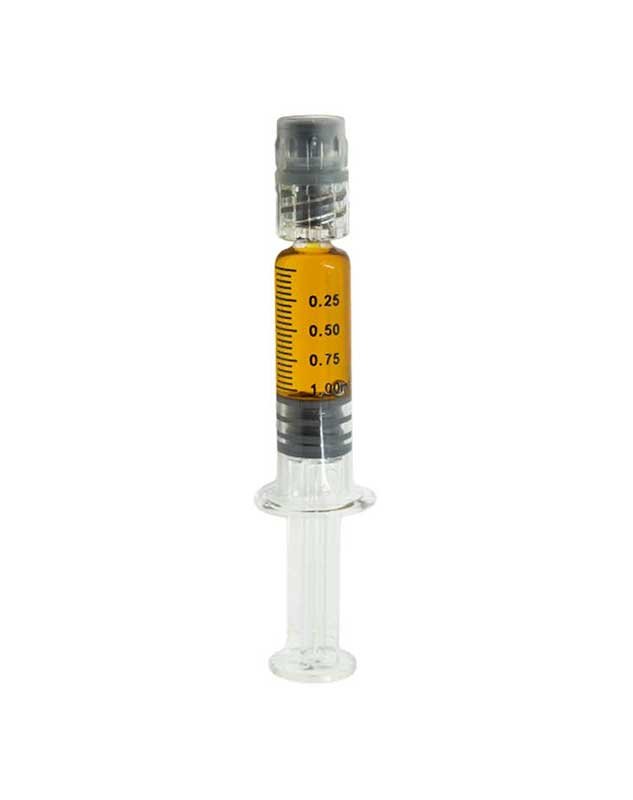
Frequently Asked Questions
Is the Cbc Isolate lab tested?
Yes. Every batch ties to an independent report, and the code on the wrapper points to it. You can read the numbers before you order.
How should I store it?
Keep it cool, dark and dry. The original wrapper carries the dates and the serving guide. A cupboard works better than a car.
How fast does it ship?
Orders leave within one business day. Standard delivery takes two to five business days, and tracking follows the parcel.
Be the first to review “CBC Isolate”
Related products

Concentrates
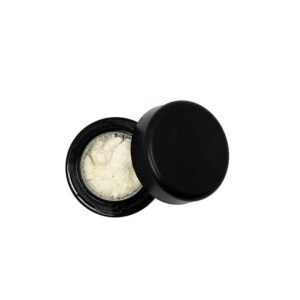
CBD Concentrates
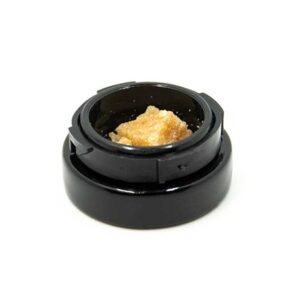
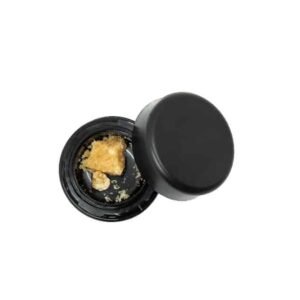
CBD Concentrates
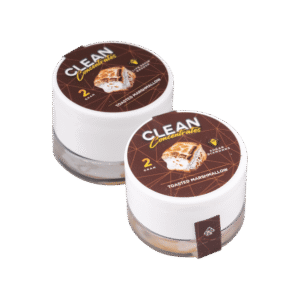
Clean Cart Disposables

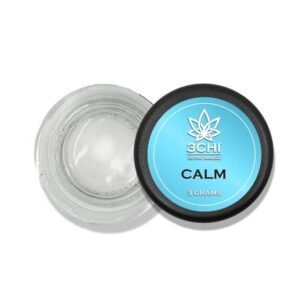
Concentrates
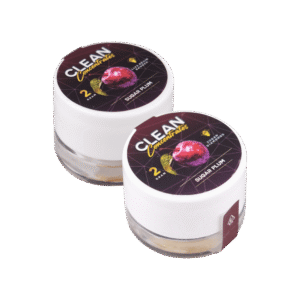
Clean Cart Disposables
Chrissy's Favs
Clean Cart Disposables
Reviews
There are no reviews yet.