
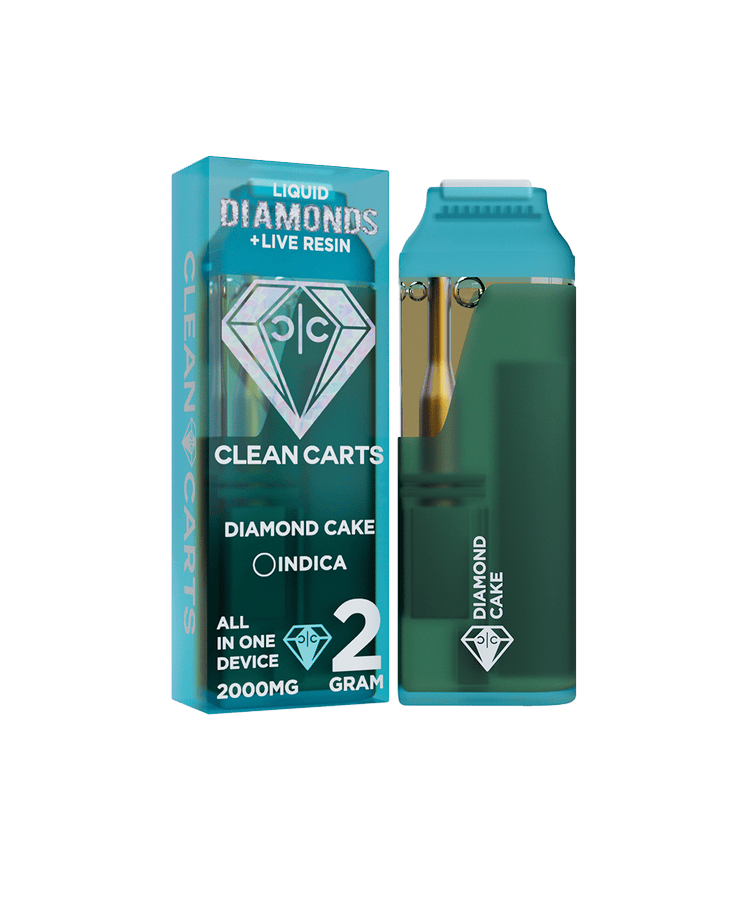
The Cake Clean Carts brings the Cake profile to a sealed 510-thread cartridge. We also keep the Cake Disposable Vape and the Cake Vape Cartridge in one case. The Cake THC Vape also sits beside them on the same shelf. Even shoppers who buy cake clean carts pay under the brand’s own list.
Why the Buy Cake Clean Carts Stands Out?
The Cake Vape Cartridge carries the Cake profile from the first slow draw to the last. The sealed unit also keeps that profile intact between orders. Every batch ties to a lab sheet, so you can check the numbers first. We keep the Cake Vape Cartridge priced below the brand’s own store as well. Most buyers Buy Cake Clean Carts after they try the Cake Disposable Vape once.
What Comes With the Cake Disposable Vape?
Every order ships the Cake Disposable Vape as a sealed retail unit. The Cake Vape Cartridge then carries the same Cake blend. The Cake THC Vape covers the same profile in a smaller step. A mixed order covers two moods without doubling the spend. Each box prints the batch code and the serving guide. The Cake THC Vape holds the same flavour notes as the Cake Disposable Vape. Customers also Buy Cake Clean Carts and keep the Cake Disposable Vape for daily use. The Cake Disposable Vape stays in stock until the season ends.
- Format – 2G 510-thread cartridge.
- Blend – premium THC distillate.
- Potency – Batch potency printed on the label.
- Type – premium THC vape cartridge.
- Best for – Daily relief and smooth draws.
How Do You Use the Cake Vape Cartridge?
Start with one slow draw. Wait a few minutes before you judge the effect. The Cake Vape Cartridge rewards a slow, steady habit rather than a long one. The seal keeps the Cake fresh between orders. Most people also keep the Cake Vape Cartridge on the shelf for daily use. They reach for the Cake THC Vape when the session runs long.
Is the Cake THC Vape the Right Pick?
The Cake THC Vape suits anyone who wants the Cake profile without a long session. New shoppers often begin with the Cake THC Vape first. They move to the Cake Vape Cartridge once they know their pace. The Cake flavour stays consistent across the whole line as well. Even so, a switch rarely surprises anyone.
Buy Cake Clean Carts Online
You can buy cake clean carts in a few clicks. Ready to buy cake clean carts? Add one to the cart and compare it with a second flavour. Many customers buy cake clean carts in pairs, because a mixed order splits the shipping cost.
Price, Value, and Shipping
Our price lands about 12% below the brand’s own list. The sealed unit stays identical. Orders leave within one business day. Standard delivery takes two to five business days. Tracking arrives by email as soon as the label prints. Overall, the value case stays simple. So the same retail unit, the same paperwork, and a clearly lower total.
Where the Cake Range Fits
The Clean Cart Disposables category lines up every format in one grid. You can also compare strength and format in a single view. Grape Runtz cartridges, Grapefruit Zlushiez cartridges, and Guava Lemonade cartridges also sit in the same family. The shop holds the rest of the menu. Batch sheets sit in the COA library. The learn hub walks through the basics. Meanwhile, questions go to the contact page. Delivery terms live on the shipping and returns page as well.
Table of Contents
Ceramic Coils and Cotton Wicks
Two wick materials dominate modern hardware. Cotton soaks quickly and delivers flavour fast, though it can scorch if the reservoir runs dry. Ceramic heats more evenly and holds up to repeated sessions, which suits anyone who takes long, slow draws. Neither option is automatically better; the right pick depends on how you use the device each day.
A ceramic core tends to preserve delicate top notes, while a well-built cotton wick can feel punchier on the inhale. If you switch materials, give yourself a session or two to adjust. Small differences in airflow and heat often matter more than the marketing label on the box.

Live Resin and Distillate Compared
The starting material shapes everything downstream. Resin-style oil is drawn from freshly harvested plant material and keeps a broader spread of natural compounds, which shows up as a fuller, more layered flavour. Distillate is refined further and lands closer to a single note. Both have a place, and both can be excellent when the producer works carefully.
Refined oil is filtered to remove waxes and plant fats, leaving a smoother liquid that feeds cleanly through a wick. That clarity often translates into a more consistent pull. If you enjoy nuance over punch, lean toward the less-processed option; if you want repeatable, even sessions, the refined route is easier to predict.
Why Terpenes Shape Flavour
Terpenes are the aromatic compounds that give every batch its character. They carry notes that read as citrus, berry, cream, or spice, and they influence how a profile feels on the palate. Heat is their main enemy. Too much power at the coil flattens the brighter notes and leaves a harsher finish.
Keeping the temperature modest protects those compounds. A gentle preheat, a short draw, and a pause between pulls all help. If a batch tastes muted straight away, it is usually the device setting rather than the oil. Dial the power down and try again before you judge the flavour.
The Value of a Sealed Retail Unit
A factory seal does more than look tidy. It guarantees that nobody has opened, diluted, or refilled the unit before it reaches you. It also keeps the oil from oxidising in transit and stops dust or moisture from reaching the mouthpiece. For the buyer, the seal is the simplest proof that the product is what it claims.
When a parcel arrives, check the seal before you break it. A clean, intact wrap with a legible batch code is a good sign. If the seal is torn or the label looks reprinted, set it aside and contact the seller. That single habit filters out most reselling problems before they reach your device.
Reading the Batch Code
A batch code is a short identifier printed on the unit or its box. It links your specific run to the producer’s internal records, including the date of manufacture and the lab results for that lot. Two units with different codes may look identical but come from different production days.
Keep the code handy until you have finished the unit. If any question comes up later, the code lets support pull the exact record instead of guessing. Photograph the label when the parcel arrives and store it with your order confirmation. That small step saves time if you ever need to raise a concern.
How to Store a Cartridge
Store upright, in a cool, dark place, away from direct sun. Heat thins the oil and encourages leaks, while light slowly degrades the aromatic compounds. A drawer or a box works better than a windowsill. Room temperature is usually fine; extreme cold can thicken the oil and slow the first draw.
If a unit has been sitting for weeks, stand it upright for a few hours before use. That lets the oil settle back toward the wick. Wipe the thread with a dry cloth before you attach it, since a little residue on the contacts can weaken the connection. A clean thread means a steadier session.

Heat, Viscosity, and Draw Quality
Viscosity describes how thickly a liquid flows. Cooler oil moves slowly and can starve the wick, which tastes dry and harsh. Warmer oil flows easily and feeds the coil well, but too much heat thins it further and can flood the airway. The sweet spot sits in a narrow middle range.
A variable battery lets you find that middle range for each batch. Start low, take one draw, and step up only if the vapour feels thin. Most people settle a half step below the maximum they can tolerate. That habit protects flavour and stretches the life of the hardware.
Choosing the Right Voltage
Batteries are sold by voltage, wattage, or both. Lower settings run cooler and favour flavour, while higher settings produce a denser cloud at the cost of finer notes. A device that offers three or four fixed steps covers most home use, and a fully adjustable dial adds flexibility for mixed shelves.
Never assume a higher number is better. The oil, not the battery, sets the ceiling. Match the recommended range printed on the product, then adjust within it. Charge with the cable that shipped with the device and unplug once the indicator stops blinking. Overcharging shortens battery life quietly.
When and How to Preheat
Preheat warms the coil before your first draw so the oil flows evenly from the start. Most devices offer a short button hold, often a few seconds, that gently loosens a cold or thickened reservoir. It is especially useful in cooler weather or on a unit that has been idle overnight.
Keep the preheat brief. A long, repeated preheat overheats the wick and mutes flavour. One or two short cycles are plenty for a normal batch. If the oil is very thick, a gentle warm-up in your hand before pressing the button can help just as much without adding heat at the coil.
Preventing Clogs
Clogs usually come from oil that has pooled in the airway after a hard or hurried draw. Overfilling, high heat, and leaving a unit on its side all push residue into the channel. The fix is mostly preventive: draw slowly, store upright, and avoid the top of the power range.
If a unit tightens up, warm it gently and take a slow, easy pull to clear the channel. Do not force it with a long, hard inhale, which can pull oil further into the mouthpiece. A little patience at the first sign of resistance keeps a cartridge usable to the last drop.
Why a Slow Draw Wins
A long, steady inhale gives the coil time to vaporise oil without overheating it. Fast, aggressive pulls spike the coil temperature and strip the flavour, and they often pull unvaporised oil into the airway. Slower draws taste cleaner and produce a more even effect, especially on the first pull of a session.
Think of a gentle, even breath rather than a hard pull. Hold for a moment, then release. If the vapour feels weak, raise the power a single step before you change your technique. Most complaints about weak output trace back to power settings rather than the draw itself.

Finding Your Starting Point
Start low and go slow. Take one short draw, then wait several minutes before you decide whether you need more. The effect builds gradually, and the first few minutes rarely tell the whole story. A cautious first session sets a reliable baseline you can adjust from later.
Everyone responds differently, so no fixed number fits all. Keep notes on the setting and the number of draws that felt right, and use that as your reference next time. Consistency matters more than intensity. If you are new to a batch, treat the first evening as a calibration run rather than a full session.
Pacing a Longer Session
Long sessions reward a steady rhythm. Take a draw, set the device down for a few minutes, and let the coil cool between pulls. Constant use keeps the wick hot and burns through flavour quickly. A brief pause keeps the taste bright for far longer.
Water helps as well. Sip between pulls to keep your throat comfortable, and avoid chaining several draws back to back. If you notice the flavour turning sharp or dry, that is a sign to slow down rather than to increase the power. A calm pace usually feels better than a fast one.
Managing Tolerance Over Time
Regular use raises tolerance, which means the same draw feels lighter than it did at the start. That is normal. The simplest response is a short break, not a bigger device. Taking a day or two off often restores the original feel more effectively than pushing the power higher.
Rotating between profiles can also keep sessions interesting without chasing intensity. Note which batches you reach for most, then plan a mixed order next time. Mild variety tends to be more satisfying than a single strong option used every day. Let your own records guide the choice.
How Potency Numbers Are Measured
Potency is measured in a laboratory by extracting the active compounds from a sample and quantifying them with calibrated instruments. The result is reported as a percentage of the total material, alongside a small margin of uncertainty. Two labs testing the same lot can land a point or two apart.
That is why a printed range, rather than a single perfect figure, is the honest way to report a batch. Treat any number as a guide, not a guarantee. What matters more is consistency: a producer who tests every lot and publishes the results is easier to trust than one who quotes a figure once and never updates it.
What Third-Party Reports Cover
An independent report usually lists potency, a screen for contaminants, and a statement about how the sample was collected. The sampler matters. A report built from a single hand-picked unit tells you less than one drawn at random from the production run. Read the method before you read the numbers.
Good reports also carry a lot number that matches the unit you hold. If that code does not line up, the report may belong to a different batch. Cross-check the code on the label against the document. That one habit separates a useful certificate from a decorative one.

Where to Verify and Learn More
Independent references make it easy to check a batch before you commit. The NIDA research overview explains how the compounds in this category are studied and measured, and it is a useful starting point if the numbers on a label are new to you. Pairing that background with the batch code on your own unit puts the printed figures in context.
The producer’s official product site lists the original range, the packaging, and the flavour families behind each profile. Comparing it with our shop takes a minute and confirms the format and the seal you should expect when the parcel arrives.
Frequently Asked Questions
How does the Cake Disposable Vape compare with the Cake Vape Cartridge?
Both carry the Cake profile. The difference instead sits in the format. One suits a short session. But the other fits a longer evening. Order them together if you want to compare side by side.
How should I pace the Cake THC Vape?
First, start with a single slow draw. Wait a few minutes before you judge the effect. Most people use it after dinner. Then they decide about a second one. Nothing about the routine changes between batches.
How fast will my order arrive?
Orders leave our facility within one business day. Standard delivery takes two to five business days. Tracking reaches your inbox as soon as the label prints. A sealed unit and the printed batch code travel with every parcel as well.
Be the first to review “Cake Clean Carts 2G Premium THC Vape Cartridge”
Related products
Clean Cart Disposables
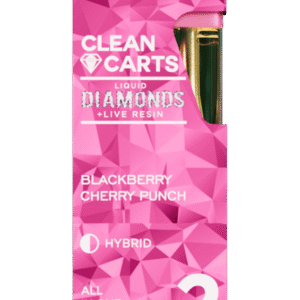
Clean Cart Disposables
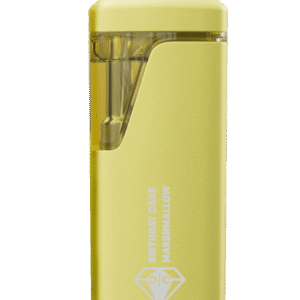
Clean Cart Disposables

Clean Cart Disposables
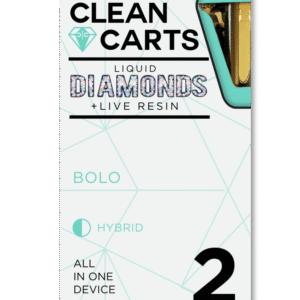
Clean Cart Disposables
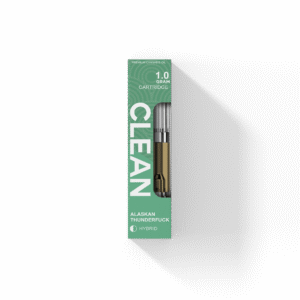
Clean Cart Disposables
Clean Cart Disposables
Clean Cart Disposables
Reviews
There are no reviews yet.